A Beginner’s Guide to Nature’s Hidden Power
On this page, you’ll find a description of what fungi are, an overview of their broad classification, and a curated selection of educational resources and films.
Welcome to Fungitopia!
I’m excited to have you join me on this journey into the world of fungi. For as long as I can remember, fungi have captured my curiosity. Fungi are not just cool to look at; they play a huge role in keeping our planet in balance and offer potential solutions for a sustainable future.
Humans have known about fungi for thousands of years, from baking the first loaf of bread to turning grapes into wine. As we’ve interacted more with fungi, our understanding of their importance has expanded in ways we couldn’t have imagined.
So, what exactly are fungi?
Fungi belong to their own distinct kingdom of life, separate from plants, animals, and bacteria. They are literally everywhere: on land, in soil, even on the plants and trees around us. Unlike plants, fungi don’t use chlorophyll for photosynthesis. Instead, they survive by absorbing nutrients from their surroundings, breaking down organic matter, and recycling nutrients back into the ecosystem.
The fungal kingdom is super diverse. You’ve probably come across some of the most common types: yeasts, mushrooms, and molds. But there’s so much more to fungi than meets the eye. Fungi can be broken down into three main groups based on how they get their nutrients: mycorrhizal, saprophytic, and parasitic fungi.
Let me break them down for you:
- Mycorrhizal fungi – These fungi attach themselves to plant roots, helping the plant absorb water and nutrients. In return, fungi get the carbohydrates and sugars the plant produces through photosynthesis. It’s a win-win! This relationship helps plants grow stronger, and it even improves soil health.
- Saprotrophic fungi – These are nature’s decomposers. Saprotrophs feed on dead organic matter like fallen leaves, wood, or even dead animals, breaking them down into simpler compounds. Without these fungi, our world would be buried under piles of dead stuff. Instead, they help recycle nutrients back into the soil, where other plants and organisms can use them.
- Parasitic fungi – These fungi are a little trickier. Unlike the mycorrhizal fungi that help plants, parasitic fungi feed off living organisms, often harming them in the process. They latch onto plants, animals, or even other fungi, drawing nutrients from their host. While this might seem harsh, parasitic fungi play a critical role in controlling population dynamics within ecosystems, ensuring that no single species takes over.
Fungi are essential to maintaining healthy ecosystems. But their impact goes far beyond that. From biofuels to mycelium bricks used in eco-friendly buildings, fungi are at the forefront of almost every innovation. And let’s not forget their contribution to medicine! The discovery of penicillin in the 1920s, derived from a mold called Penicillium notatum, revolutionized healthcare and saved countless lives.
As I continue to explore, I’m excited to share everything I learn with you. Stay tuned—there’s so much to discover!

**All photos featured in this blog are taken by me during my hikes and are original to Fungitopia.org, unless otherwise stated.
***
Educational Resources for Fungi Enthusiasts
Explore guides, tutorials, and tips to learn more about the incredible world of fungi
What Are Fungi? Learn the basics of fungal biology and their ecological roles.
Check “Fungi Education” by Fungi Foundation: This platform offers a comprehensive mycological curriculum and unique educational materials that deepen understanding of fungi’s interconnected ways of living and thriving throughout our world.
Fungi Foundation has excellent educational resources.
Fungi Education is dedicated to offering free learning resources that aim to inspire children and adults worldwide to explore fungi. And The Fungi Foundation’s Fungipedia will give you a good understanding of the language of Mycologists, biologists, scientists and other interested in Fungi. Check that out! You may also check their Youtube page!
North American Mycological Association has excellent educational resources.
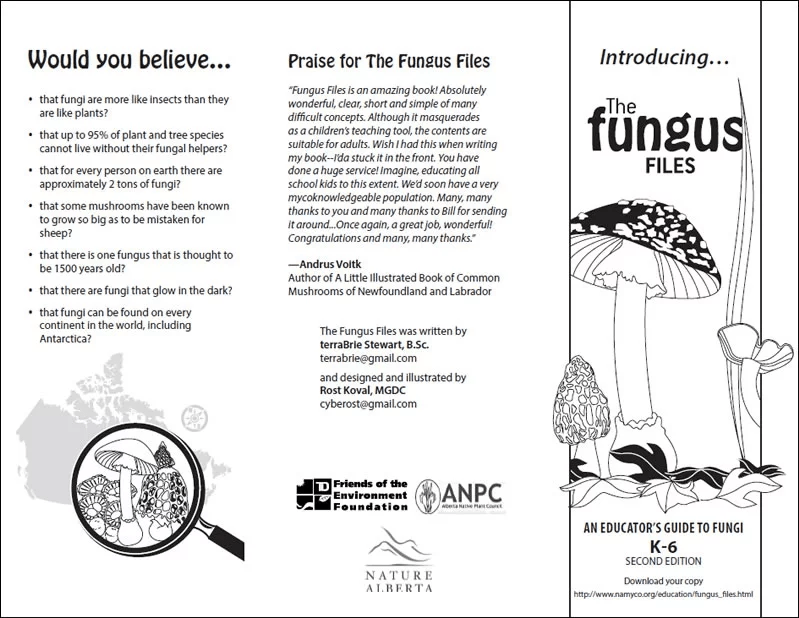
“The Fungus Files: An Educator’s Guide to Fungi K-6” by the North American Mycological Association is a resource packed with diverse activities designed to be easily adaptable to students of all ages, learning styles, and ability levels. You can download their ebook!
Films & Documentaries
In Search of a Lost Fungus, Flora Fauna Funga, Seeing Fungi, The Mushroom Keepers, and Fungi: Web of Life are showcasing fungal stories and gaining international acclaim, awards and festival selections. In Search of a Lost Fungus, Flora Fauna Funga, are available for free on YouTube, while Seeing Fungi, The Mushroom Keepers, and Fungi: Web of Life can be watched at festival screenings and/or in select movie theaters.

